Industries
Services
News and Insights
About Us
EN
Find course

Industries

Oil and GasRenewablesMaritimeTerminals & Logistics

Services

TrainingManaged Services24/7 Crisis ManagementPeople and PerformanceTraining Consultancy

News and Insights

NewsGuidesIndustry Dictionary

About Us

About UsOur StoryOur LeadershipAccreditationsOur LocationsCareers Contact UsMeet Our People

Maersk Training

CareersPress & MediaTerms & ConditionsPrivacy Policy & Cookie Policy

© Maersk Training

LinkedInFacebookYouTubeNewsletter
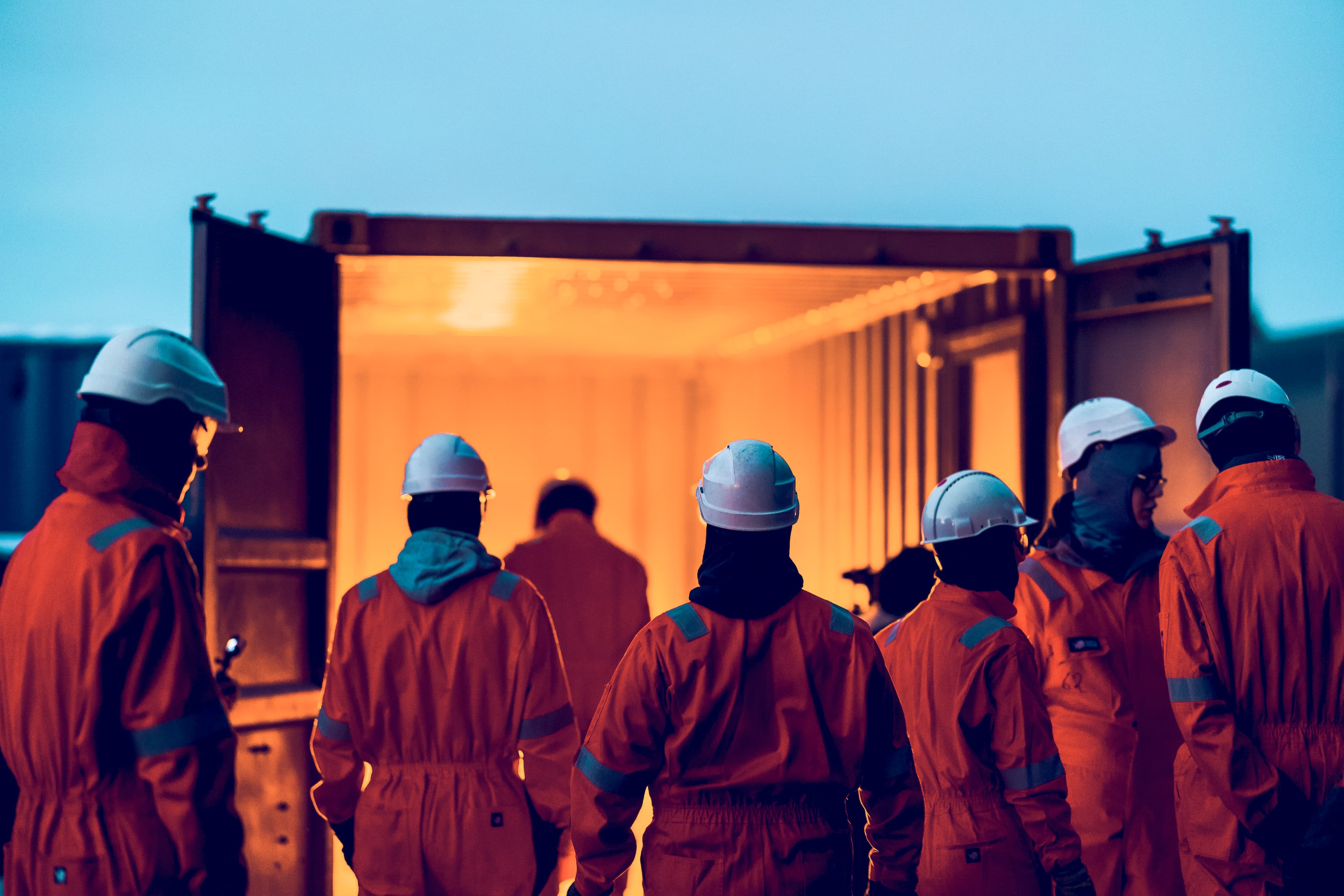
Trainees approach a lit safety training module, simulating emergency scenarios to enhance preparedness and teamwork in challenging environments.
Home/
Industries/
Oil and Gas Industry/
Fire Fighting and Emergency Response
Oil and Gas

Fire Fighting and Emergency Response

Fire safety is a critical priority across all industries, where fire risks pose significant dangers to personnel, equipment, and the environment. Maersk Training offers specialised firefighting courses tailored to meet the unique challenges of these sectors, providing essential training for professionals working on ships, offshore platforms, refineries, and other industrial facilities. Our courses are designed to boost your ability to prevent, control, and respond to fire emergencies effectively, ensuring compliance with international safety standards.

In industries like oil and gas, maritime transport, and industrial settings, the risk of fire is a constant concern. Effective firefighting training is not only necessary for compliance with safety regulations but also crucial for safeguarding lives, protecting assets, and ensuring business continuity.

That's where our firefighting and safety course step in to provide an unparalleled layer of preparedness.
Firefighting courses

This training gives you the skills and experience to respond effectively to emergencies, especially in high-risk environments like offshore oil and gas.

The key aims are to:

  • Equip you to handle fires, gas leaks, and other critical incidents.

  • Help you minimise risks to people, assets, and the environment.

  • Provide hands-on experience in managing real-world emergency scenarios.

With this training, you'll be ready to respond confidently in high-pressure situations, keeping yourself and your team safe.

Here's how our training programmes fulfil these purposes with examples:

Knowledge Acquisition:

Our courses provide comprehensive theoretical knowledge on fire prevention, detection, suppression, and evacuation procedures. For example, imagine a scenario where an engine malfunction on an offshore platform leads to a fire outbreak. Participants will learn about the different types of fires, such as fuel fires or electrical fires, and the appropriate response strategies to mitigate the situation.

Skill Development:

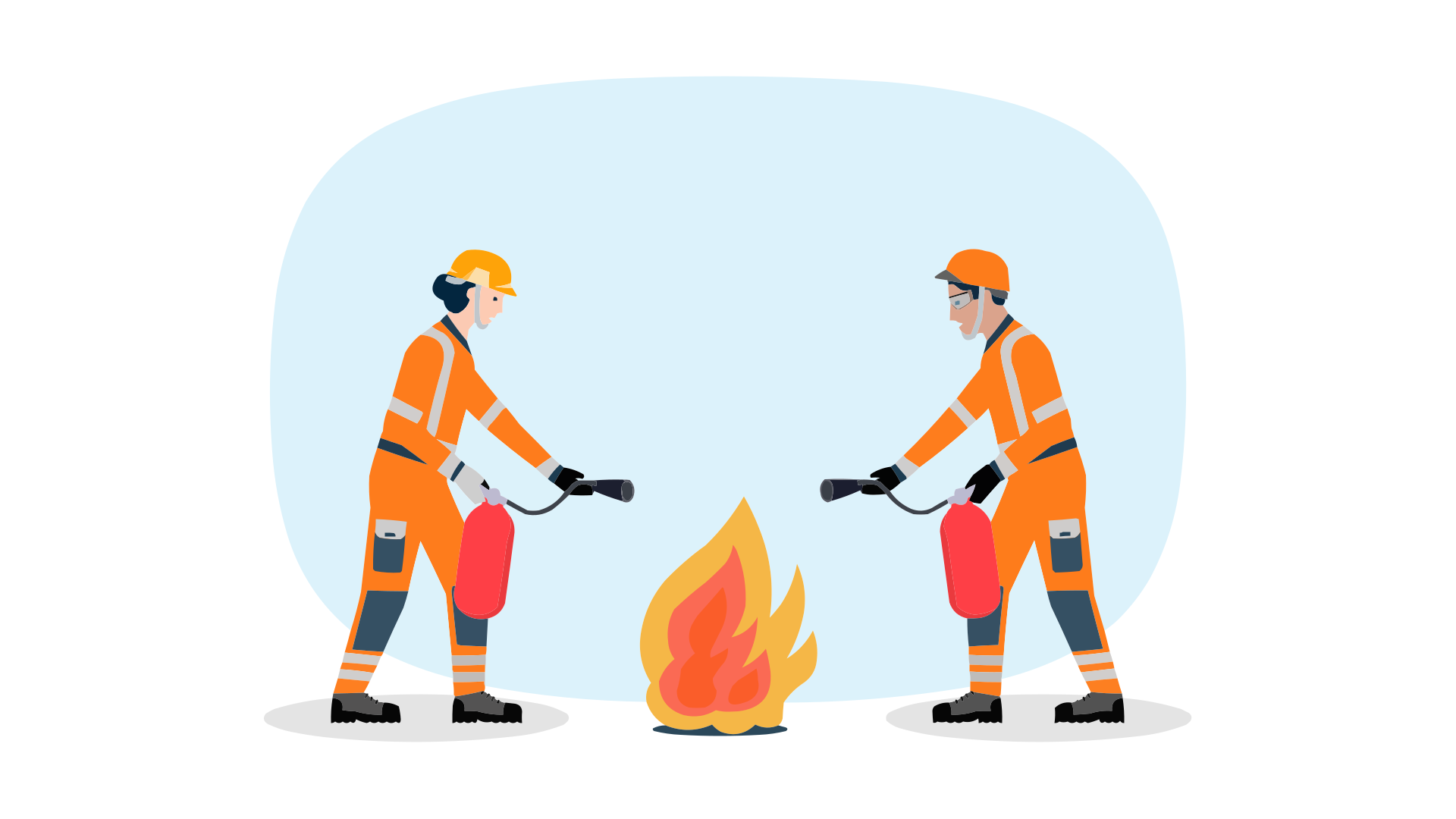
Through practical training sessions and hands-on exercises, participants develop essential firefighting skills, such as operating fire extinguishers, handling firefighting equipment, and executing firefighting tactics in simulated fire scenarios. In our training facility, participants might simulate controlling a blaze caused by a chemical spill in an industrial plant, learning how to contain and extinguish the fire safely.

Confidence Building:

By simulating realistic fire emergencies, our training boost confidence in participants, enabling them to remain calm and decisive under pressure. For instance, during a maritime training exercise, participants may experience a simulated engine room fire on a ship, where they must work together to extinguish the fire and evacuate crew members, fostering confidence in their abilities to respond effectively to real-life emergencies.

Teamwork Enhancement:

Many of our courses involve teamwork and collaboration exercises, emphasising the importance of coordinated efforts during fire emergencies. Participants learn to communicate effectively, coordinate tasks, and support each other to achieve successful outcomes. In a search and rescue scenario, participants may work together to locate and evacuate simulated casualties from a burning offshore installation, highlighting the critical role of teamwork in emergency response.

Continuous Improvement:

Firefighting techniques and technologies evolve over time. Our training programmes include regular updates and refresher courses to ensure that participants stay abreast of the latest developments in firefighting best practices and equipment usage. For example, participants may receive training on new firefighting equipment or techniques based on lessons learned from recent fire incidents in the industry.

Compliance

Our firefighting training courses are designed to meet or exceed regulatory requirements and industry standards, ensuring that participants are fully compliant with applicable safety regulations. Our expert instructors are well-versed in international standards such as the International Maritime Organization's (IMO) Standards of Training, Certification, and Watchkeeping (STCW) Code, the Offshore Petroleum Industry Training Organization (OPITO) standards and other. By completing our courses, participants can demonstrate compliance with these standards and enhance safety across various industries.

See all accreditations

Did you know?

Prevention Impact:

90% of fire incidents are preventable through proper training and safety protocols.

Response Time:

Trained responders can reduce incident response time by up to 50%, minimizing damage.

Fatalities Reduction:

Effective firefighting training can reduce fire-related fatalities by 70%.

Property Damage:

Trained responders mitigate property damage by up to 80% during fire incidents.

Emergency Calls:

Over 70% of emergency calls are related to fire incidents, highlighting the importance of preparedness.

Risk Factors:

Improper handling of hot work contributes to 30% of fire incidents in industrial settings.

Industrial Impact:

Fire incidents cost industries worldwide over $100 billion annually in property damage and lost productivity.

Training Investment:

Every $1 invested in firefighting training results in $4 saved in potential losses during fire incidents.

Insurance Impact:

Businesses with trained fire response teams receive up to 25% lower insurance premiums due to reduced risk.

Frequently Asked Questions (FAQ)